The Independent Electoral and Boundaries Commission (IEBC) is turning to social media influencers and digital content creators to expand voter education and counter misinformation as Kenya heads towards the 2027 General Election.
The electoral commission is seeking to enlist creators who command large audiences on digital platforms in a campaign to promote electoral awareness, encourage participation and steer online political conversations away from hate speech and divisive narratives.
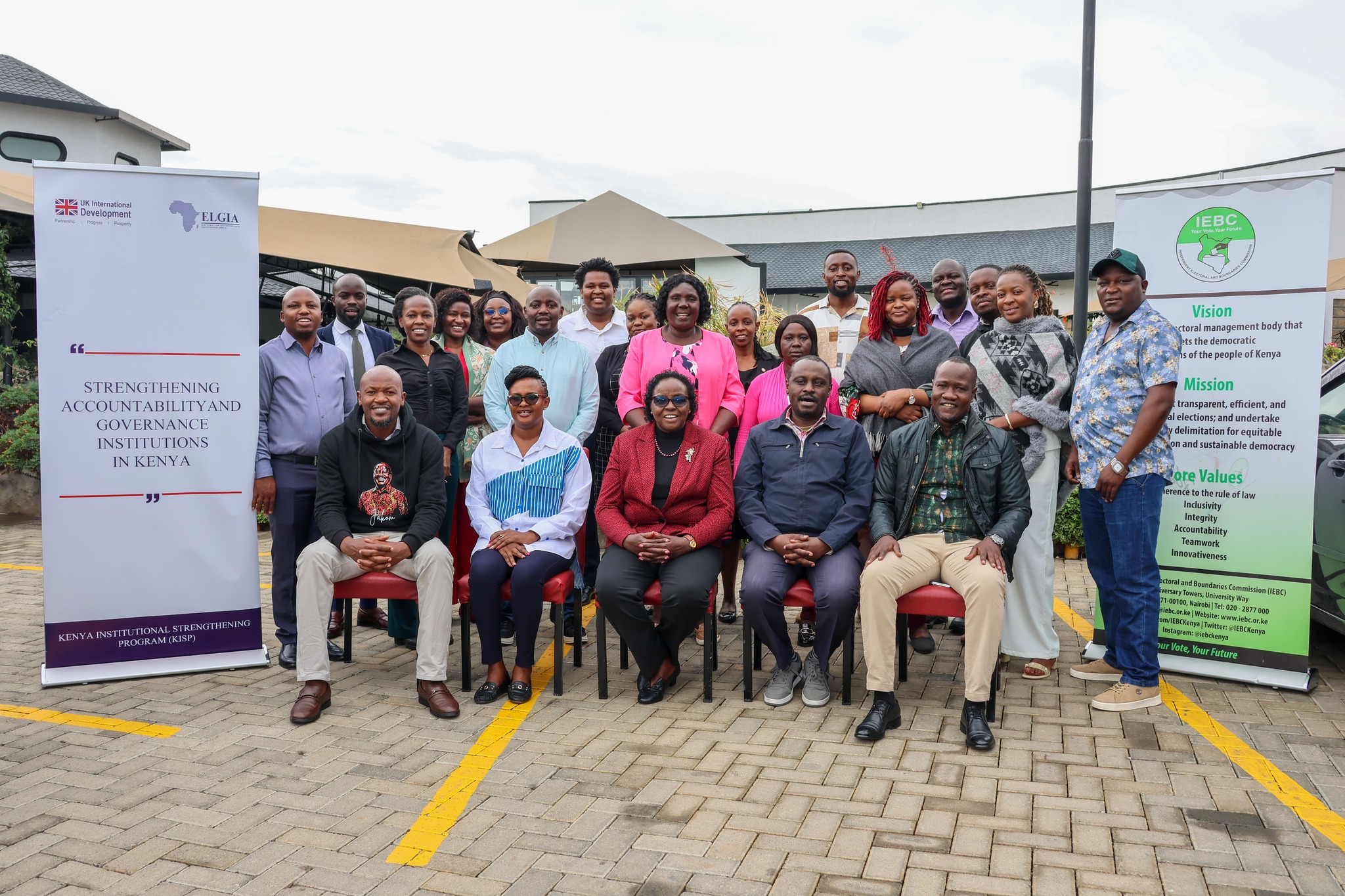
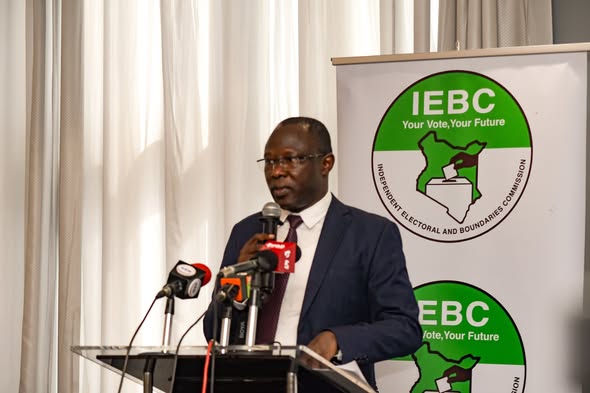
Speaking during a consultative engagement with influencers and content creators on Tuesday, IEBC Chairperson Erastus Ethekon said the commission was ready to work with digital platforms to ensure Kenyans receive accurate and timely information about electoral processes.
The engagement reflects the growing importance of social media in political mobilisation, particularly among young voters, whose participation and exposure to election-related information increasingly extends beyond traditional media and official institutional platforms.
Ethekon challenged the creators to use their influence to promote national unity, tolerance and peaceful coexistence, warning against content that fuels ethnic hostility, political intolerance and incitement.
He urged them to reject tribalism and divisive narratives, arguing that digital platforms could be used to bridge political and social divisions rather than deepen them.
The commission said content creators could help address misconceptions about elections, explain electoral procedures and encourage Kenyans to participate in the democratic process by sharing information in formats that resonate with different audiences.
The outreach comes as the IEBC steps up engagements with different stakeholders in preparation for the 2027 elections, with the commission increasingly recognising the role of digital platforms in shaping political discourse.
In recent engagements with youth and electoral stakeholders, the commission has identified misinformation, disinformation, hate speech, political intolerance, vote buying and electoral violence among challenges that could undermine participation and the integrity of the electoral process.
The commission has also been engaging other government agencies on growing concerns over hate speech, ethnic contempt and incitement by political leaders as campaigns for the 2027 elections gather momentum.
The partnership with influencers marks another attempt by the electoral body to broaden voter education beyond conventional channels, tapping into online audiences that consume news, political commentary and civic information through social media.
With the 2027 elections approaching, the commission is seeking to have digital creators play a role in encouraging informed participation while promoting peaceful political engagement.
The angle here is IEBC's shift towards digital creators as a voter-education infrastructure, rather than simply reporting a stakeholder meeting. It gives the story a clear 2027 electoral-preparation focus.