The Independent Electoral and Boundaries Commission (IEBC) will establish a gender desk to handle complaints of violence and intimidation against women participating in the 2027 General Election, in a move aimed at addressing barriers limiting their involvement in politics.
The commission said the proposed desk would provide a platform for women candidates, voters and other electoral stakeholders to report incidents of violence during campaigns and the election period.
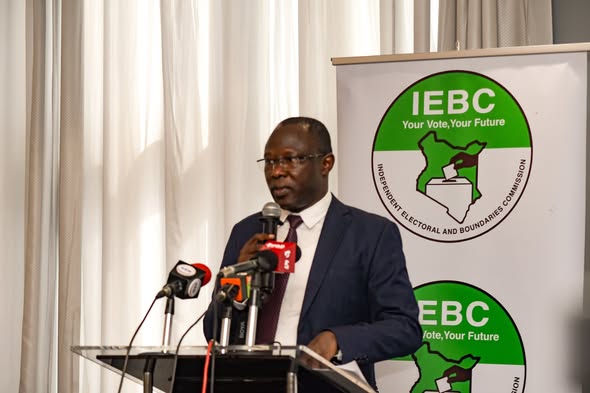
IEBC Commissioner Ann Nderitu said women should not remain silent when subjected to intimidation, harassment or abusive remarks because of their participation in political activities.
“Women have a responsibility to condemn any incidents or utterances made against women who engage in election activities. Do not keep quiet,” Dr Nderitu said.
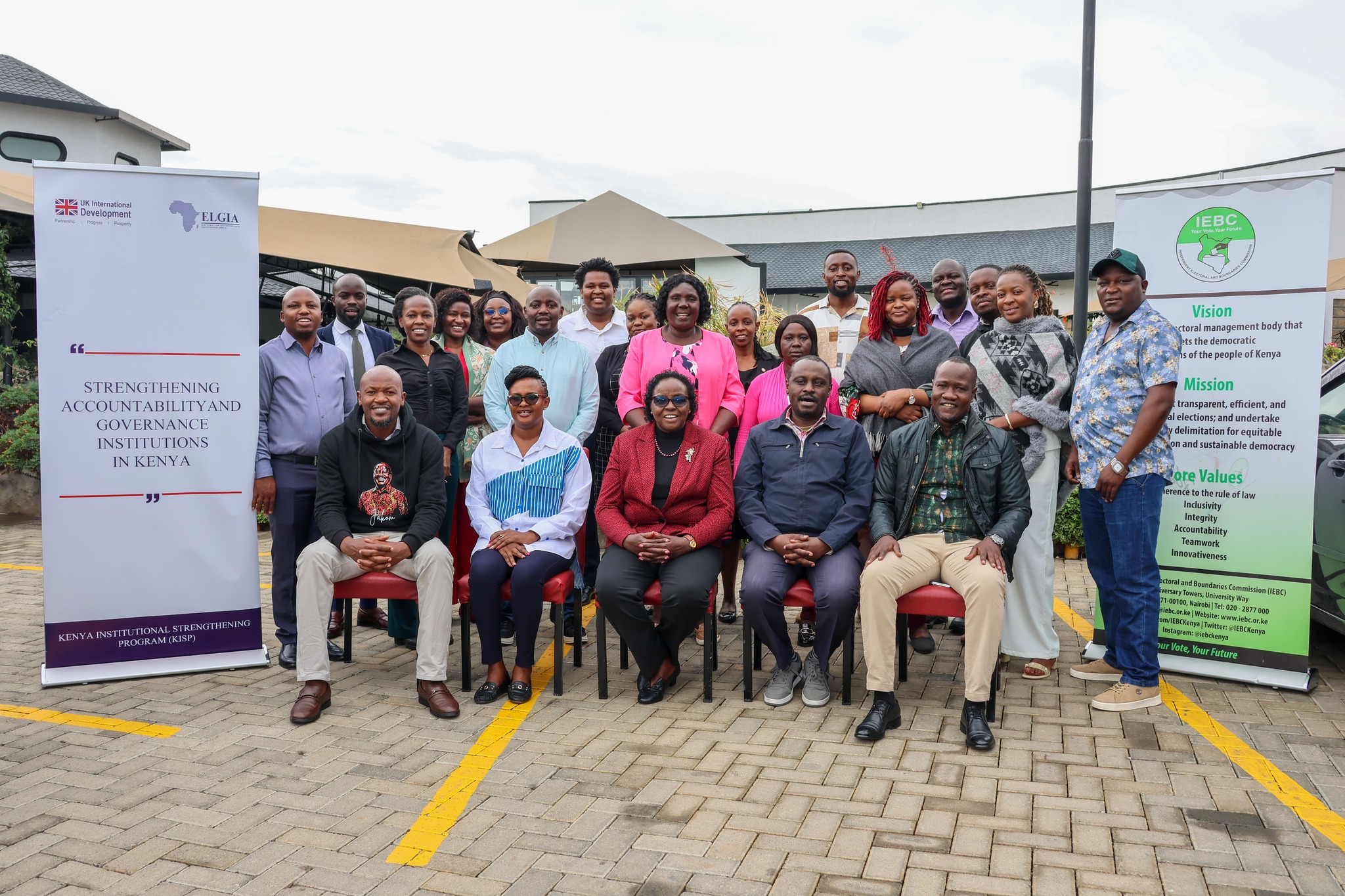
She was speaking during the inaugural Women's Dialogue Conference in Nairobi, which brought together stakeholders to discuss how women can mobilise for peaceful elections and national action ahead of the 2027 polls.
Representing IEBC chairperson Erastus Ethekon, Dr Nderitu said the commission was strengthening enforcement of the Election Code of Conduct to ensure women could participate in political activities without intimidation.
She said the commission had established a Code of Conduct Enforcement Committee with powers to summon, warn or fine individuals found violating the rules.
“The Commission has established an Election Code of Conduct to ensure that women participate in elections without feeling intimidated,” she said.
Nderitu added that the commission would educate women on how to report cases of violence and intimidation, saying electoral participation should not expose them to threats or discrimination.
The intervention comes against the backdrop of persistent concerns over violence, harassment and online abuse targeting women seeking elective positions, with such experiences discouraging some from seeking political office.
The commissioner said women had a responsibility to defend the participation of their peers and challenge political rhetoric that undermines their place in public leadership.
She argued that women's participation was not a concession from political parties or electoral institutions but a constitutional right.
“Remember, the participation of women in elections is not a favour but a right,” she said.
Women remain underrepresented
Despite constitutional provisions requiring gender balance in elective and appointive bodies, women remain significantly underrepresented in Kenya's directly elected political positions.
Nderitu cited the figures, saying women occupy only about 28 of the 290 directly elected constituency seats in the National Assembly and three of the 47 directly elected Senate seats.
The numbers highlight the continuing gap between constitutional commitments and actual representation in Parliament.
Article 27 of the Constitution guarantees equality and freedom from discrimination, while Article 81(b) requires that not more than two-thirds of members of elective public bodies be of the same gender.
The principle is intended to ensure that women and men have fair opportunities to participate in political leadership. However, Parliament has repeatedly failed to meet the constitutional gender threshold.
Nderitu urged women to organise and mobilise collectively to push for greater representation, saying the constitutional requirement could only be realised through deliberate efforts.
She challenged participants at the conference to support women seeking elective positions and resist attempts to silence them through intimidation.
The Women's Dialogue Conference examined the roles of women as candidates, voters, electoral administrators, peace monitors and community mobilisers in preventing electoral violence.